2026 Subaru Forester vs. Honda CR-V: Comparison in Ballwin, MO

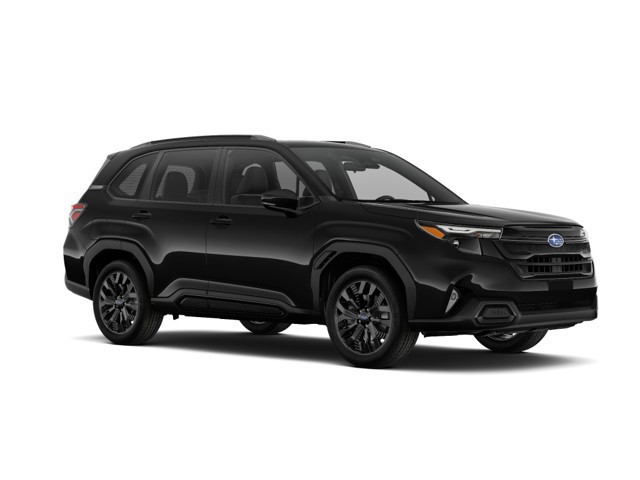
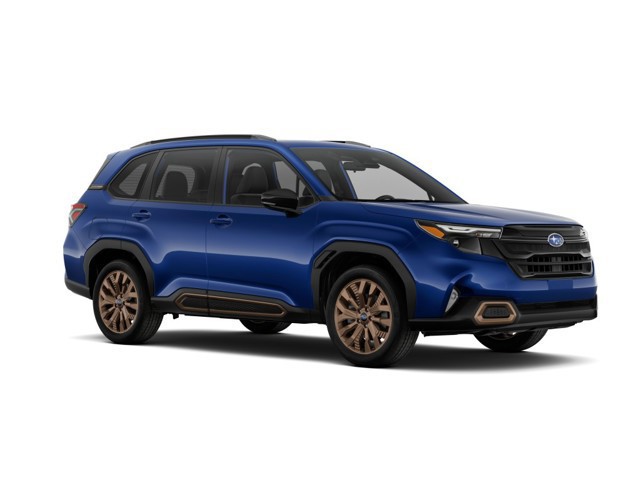
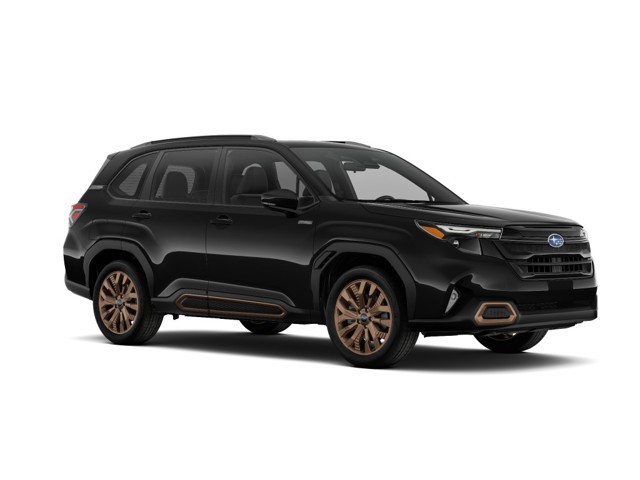
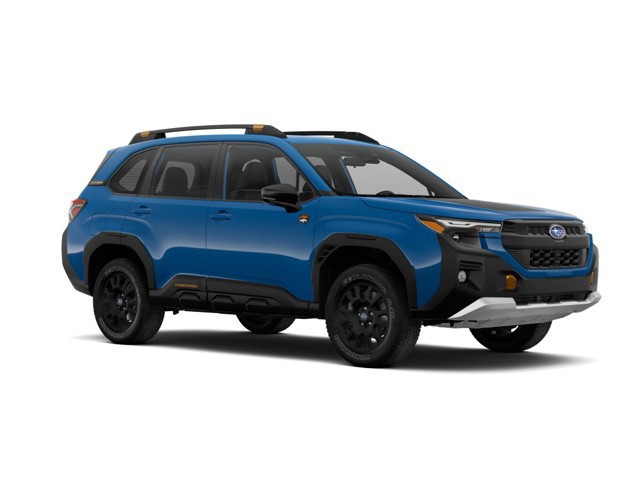
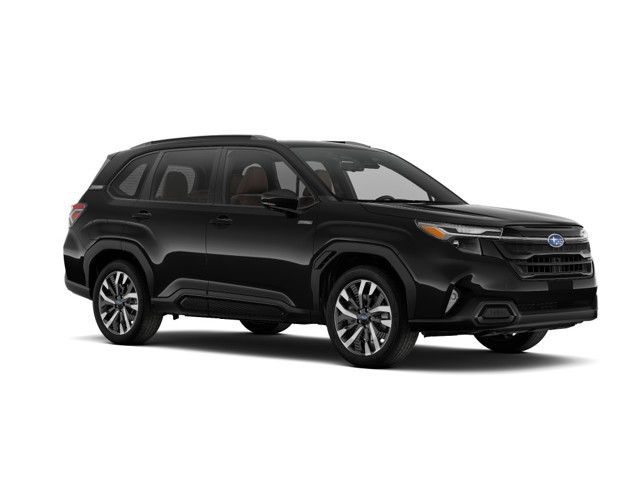
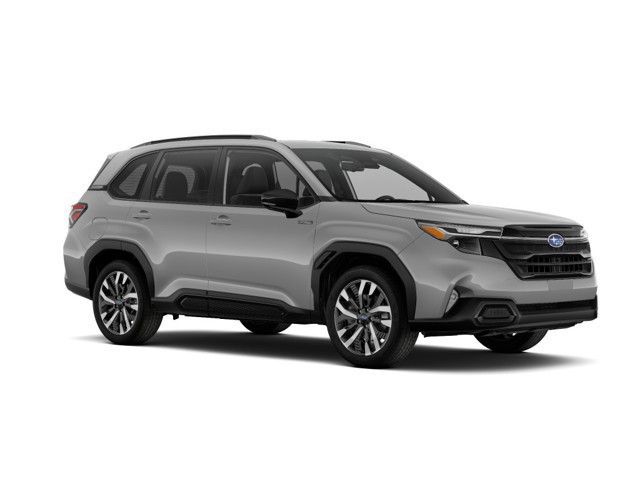
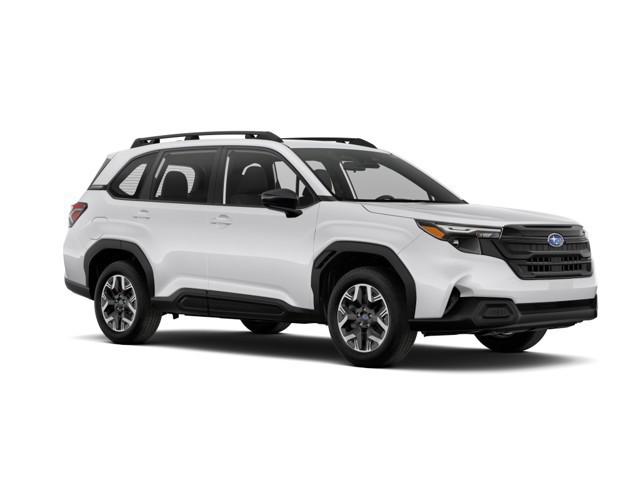
2026 Subaru Forester hero image

When you’re weighing a 2026 Subaru Forester vs a 2026 Honda CR-V, the choice often comes down to what you want to feel every day: calm traction, clear visibility, and a cabin that stays useful when plans get messy. Both aim at the same compact SUV sweet spot, but the Forester is built around a simple promise that matters in real Midwestern driving: all-wheel drive is standard, not something you chase after on a spreadsheet.

For Ballwin drivers who want a confident, steady SUV without turning “must-have” features into a trim-level scavenger hunt, the Forester’s strengths are easy to spot once you compare the details that show up week after week.

See Subaru Forester In-Stock

Forester Gallery

Where the Forester Pulls Ahead

The CR-V is a strong option in this class, especially if you like Honda’s approach to packaging and technology. But if your comparison keywords keep circling back to Forester vs CR-V AWD, that’s where the Forester starts stacking advantages. Every 2026 Forester comes with Symmetrical All-Wheel Drive, while the CR-V offers Real Time AWD with Intelligent Control System on AWD trims.

That difference shapes the whole ownership vibe. With Forester, you’re not making drivetrain a negotiation. You start with grip, balance, and a platform designed around all-weather traction, then choose the trim that fits your life instead of spending your first hour trying to “get back” to what you wanted in the first place.

Side-by-Side Specs

Category 2026 Subaru Forester 2026 Honda CR-V
All-wheel drive Standard Symmetrical All-Wheel Drive Available Real Time AWD with Intelligent Control System (AWD trims)
Passenger volume Up to 110.8 cu ft Up to 106.0 cu ft (varies by trim)
Cargo volume (rear seat up/down) 29.6 cu ft / 74.4 cu ft Up to 39.3 cu ft / 76.5 cu ft (varies by trim)
Ground clearance 8.7 in (standard configuration); up to 9.3 in across the lineup 7.8 in; up to 8.2 in on TrailSport Hybrid
Engine type 2.5L flat-4 In-line 4-cylinder with turbocharger (gas trims); in-line 4-cylinder (hybrid trims)
Horsepower 180 hp @ 5,800 rpm 190 hp @ 6,000 rpm (gas trims); 204 total system horsepower (hybrid trims)
Fuel tank capacity 16.6 gal 14.0 gal
Driver-assist and safety suite EyeSight Driver Assist Technology
Available Automatic Emergency Steering
Available 360-degree Surround View Monitor
Honda Sensing technologies (includes Collision Mitigation Braking, Road Departure Mitigation, Adaptive Cruise Control with Low-Speed Follow, Lane Keeping Assist, Traffic Jam Assist, and more)
Available Blind Spot Information System and Cross Traffic Monitor (varies by trim)
Low-traction support Available X-Mode and dual-function X-Mode Dynamic Drive Modes include Snow (varies by trim)
Touchscreen and connectivity Available 11.6-inch high-resolution touchscreen
Available wireless Apple CarPlay and Android Auto
Available wireless device charging
9-inch color touch-screen
Wireless Apple CarPlay and Wireless Android Auto (varies by trim)
Wireless phone charger (Qi) (varies by trim)
HondaLink (varies by trim)
Towing capacity Up to 3,000 lbs Up to 1,500 lbs (gas trims); up to 1,000 lbs (hybrid trims)

The Daily-Drive Difference

On paper, you can make almost any compact SUV look “similar” if you only compare top-line categories. The practical difference shows up when you stop thinking like a reviewer and start thinking like an owner. Forester’s standard AWD simplifies the decision, and its interior packaging leans toward open, usable space, not just a single headline number.

If you’re asking which is better Forester or CR-V 2026, the honest answer depends on what you value most. For many Ballwin drivers, Forester wins on the stuff that becomes routine: steady traction that doesn’t ask permission, a cabin that stays calm, and a feature set designed to support the long, ordinary miles that make up most of life.

Why the Forester Wins for a Lot of Drivers

Forester comes standard with Symmetrical All-Wheel Drive. The CR-V offers Real Time AWD on AWD trims, so it can absolutely be configured for extra traction, but the Forester begins there by design.

For shoppers who keep searching “Forester vs CR-V AWD,” that standard setup can be the cleanest tiebreaker because it reduces compromise before you even start comparing trims.

CR-V posts impressive cargo figures, especially with the rear seats down. Forester stays very competitive on maximum cargo, and it also brings a roomier passenger volume figure, which matters when the “cargo” is actually people who want elbow room.

That balance is part of why Forester owners tend to describe it as easy to live with: it’s not trying to be dramatic. It’s trying to be useful.

Both brands bring serious driver-assist technology to the table. Forester highlights EyeSight Driver Assist Technology and offers features like Automatic Emergency Steering, along with available traction support tools like X-Mode and dual-function X-Mode. CR-V’s Honda Sensing suite includes features like Collision Mitigation Braking, Road Departure Mitigation, Adaptive Cruise Control with Low-Speed Follow, Lane Keeping Assist, and Traffic Jam Assist.

If you’re comparing Subaru Forester vs Honda CR-V safety, it’s worth focusing less on buzzwords and more on how the systems will actually support your routine. We’re happy to walk you through what each feature does, how it behaves, and what you can expect in everyday driving.

Common Questions (FAQ)

Yes. Every 2026 Forester comes with Symmetrical All-Wheel Drive as standard equipment.

Yes. The CR-V offers Real Time AWD with Intelligent Control System on AWD trims.

Forester lists up to 110.8 cubic feet of passenger volume, while CR-V lists up to 106.0 cubic feet (varies by trim).

Yes. Forester features EyeSight Driver Assist Technology and offers additional available safety features, while CR-V includes Honda Sensing technologies with a wide set of driver-assist functions (feature availability can vary by trim).


Drive the Forester Here in Ballwin

If the Forester looks like your kind of SUV, the best next step is a real drive. We’ll help you compare trims, show you how X-Mode works where applicable, and talk through the driver-assist features in plain language so you know what you’re getting.

Contact Dean Team Subaru

Helpful Next Steps

  • Compare Forester trims side-by-side
  • Feel standard AWD on a test drive
  • Talk through safety tech in real terms
  • Review payment options and trade value
  • See what is available today

Ready to compare in person? Contact Dean Team Subaru today.