2026 Subaru Forester vs. Toyota RAV4: Comparison in Ballwin, MO

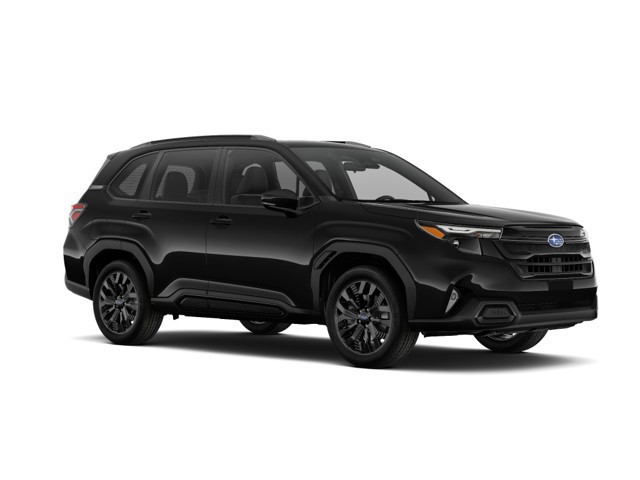
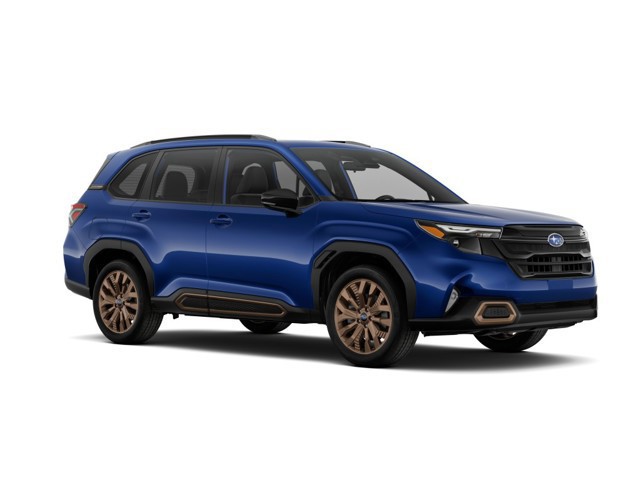
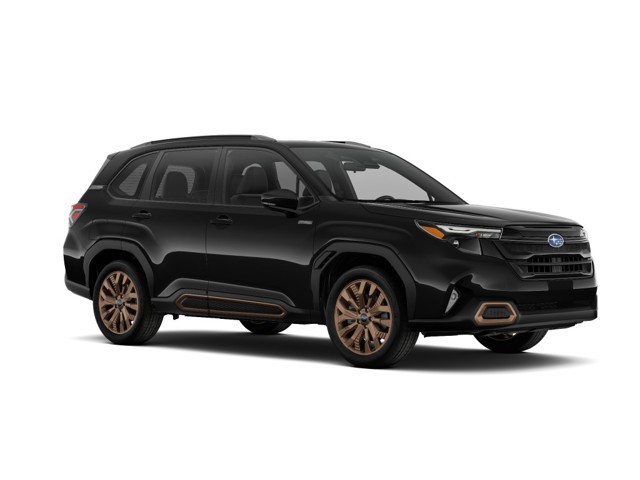
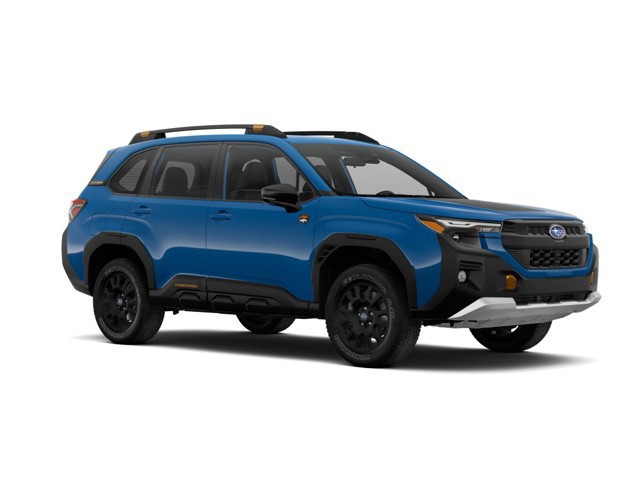
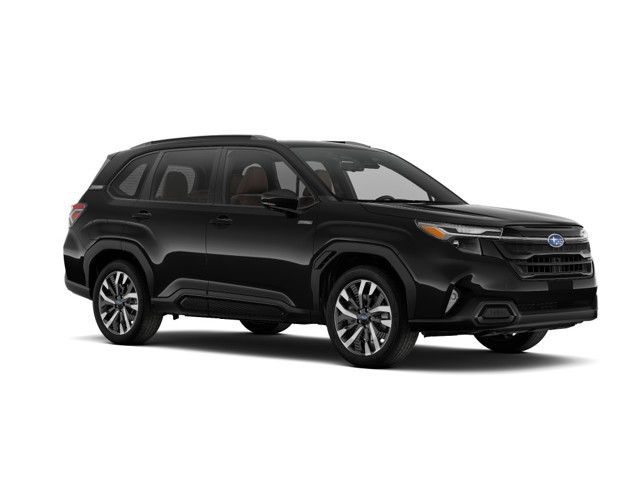
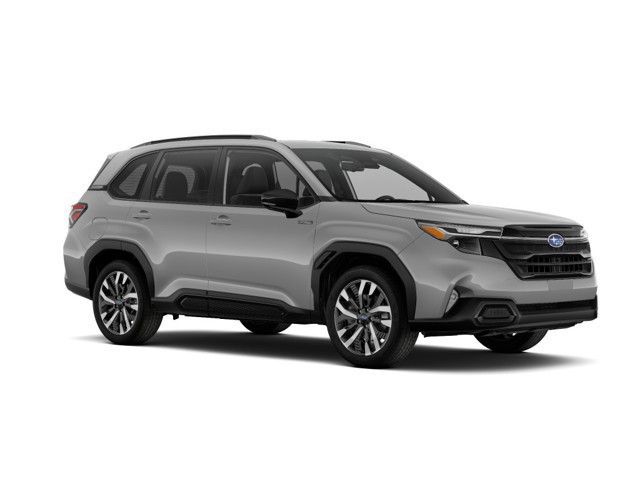
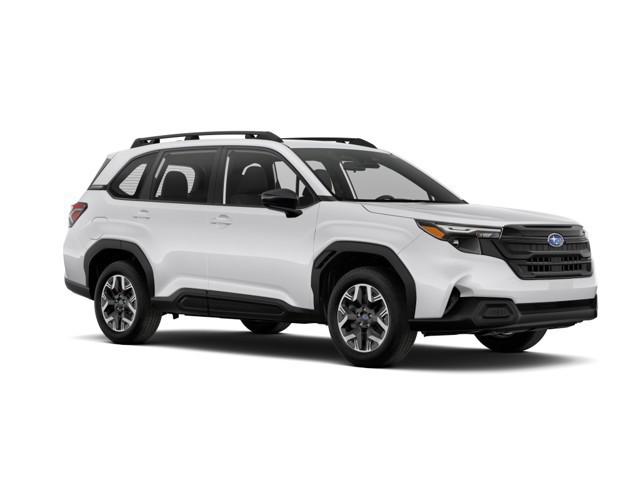
2026 Subaru Forester hero image

On paper, the Subaru Forester and Toyota RAV4 can look like they’re chasing the same goal: compact SUV practicality with the comfort to handle everyday life. But when you zoom in, the Forester has a few built-in advantages that can matter a lot—especially if you want confident traction and easy versatility without having to “upgrade” just to get the essentials.

The biggest difference in this match-up is simple: the Forester comes with all-wheel drive, while this RAV4 configuration is front-wheel drive. For drivers who want a vehicle that feels steady when conditions change, that’s not a small detail—it’s the point.

Forester Gallery

Where the Forester Pulls Ahead

If you’re comparing these two because you want a vehicle that’s easy to live with, the Forester quietly stacks the deck in your favor. You get all-wheel drive in this configuration, a bit more ground clearance, and a tighter turning circle—three things you’ll feel every week, not just once a year.

And when you start looking at “real ownership” details, the Forester keeps adding up: a larger fuel tank and longer driving range, plus more maximum cargo room with the rear seats down. That’s a lot of day-to-day advantage without turning the purchase into a trim-level scavenger hunt.

Side-by-Side Specs

Category 2026 Subaru Forester Toyota RAV4 LE
Starting MSRP $31,445 $31,250
Average price paid $29,500 $29,445
Drivetrain All-wheel drive Front-wheel drive
Engine layout 2.5L flat-4 2.5L inline-4
Horsepower 180 hp @ 5,800 rpm 203 hp @ 6,600 rpm
Torque 178 lb-ft @ 3,700 rpm 184 lb-ft @ 5,000 rpm
Transmission Continuously variable-speed automatic 8-speed shiftable automatic
Fuel economy 26 / 33 / 29 MPG (city/highway/combined) 27 / 35 / 30 MPG (city/highway/combined)
Fuel capacity 16.6 gal. 14.5 gal.
Driving range (city/highway) 432 / 548 miles 392 / 508 miles
Ground clearance 8.7 in. 8.4 in.
Turning circle 35.4 ft. 36.1 ft.
Cargo space 29.6 cu. ft. 37.6 cu. ft.
Cargo space with rear seats down 74.4 cu. ft. 69.8 cu. ft.
Wheel type Painted alloy wheels Steel wheels
Warranty (basic) 3 yr. / 36,000 mi. 3 yr. / 36,000 mi.
Warranty (drivetrain) 5 yr. / 60,000 mi. 5 yr. / 60,000 mi.
Roadside assistance 3 yr. / 36,000 mi. 2 yr. / unlimited mi.
Overall consumer rating 4.4 / 5 3.9 / 5

The Daily-Drive Difference

Yes, the RAV4 LE in this comparison shows more horsepower and slightly higher MPG ratings. That’s real. But the Forester’s advantage is the kind you appreciate when you’re not thinking about it—traction that’s already there, a little extra clearance, and a smaller turning circle that makes parking lots and tight streets feel less annoying.

Then there’s the range: with a larger fuel tank and longer estimated driving range, the Forester can simply go farther between fill-ups. It’s not flashy, but it’s the sort of benefit that makes a week feel smoother.

Why the Forester Wins for a Lot of Drivers

In this comparison, the Forester comes with all-wheel drive while the RAV4 configuration shown is front-wheel drive. That alone can tilt the decision if you want consistent grip and steadier confidence when roads aren’t ideal.

It also means you’re not reshuffling your budget just to get the drivetrain you really wanted from the start. For many buyers, that’s the “over-the-top” moment.

The RAV4 shows more cargo space behind the second row, which is great for everyday hauling. But the Forester takes the lead where it counts for bigger loads: with the rear seats down, it opens up to more maximum cargo space.

If you ever pack for a weekend like you’re moving out—coolers, bins, gear, weird-shaped purchases—you’ll appreciate how quickly the Forester adapts.

Forester brings a larger fuel tank and longer estimated driving range. It also has a bit more ground clearance and a tighter turning circle—details that can make daily driving feel easier without you even trying.

And if you notice the “little stuff,” the Forester’s painted alloy wheels versus steel wheels on this RAV4 LE configuration is another subtle but real quality-of-life perk.

Common Questions (FAQ)

Yes. In the configuration shown, the 2026 Subaru Forester is listed with all-wheel drive, while the RAV4 configuration shown is front-wheel drive.

In this comparison, the RAV4 shows slightly higher city, highway, and combined MPG ratings than the Forester.

The RAV4 configuration shown lists more cargo space behind the second row. With the rear seats down, the Forester lists more maximum cargo space.

They’re very close in this comparison, which is why the Forester’s built-in AWD, longer range, and higher consumer rating can be such a convincing tiebreaker.


Drive the Forester Here in Ballwin

If the Forester looks like your kind of SUV, the best next step is a real drive. We’ll help you compare trims, walk through cargo room with the seats down, and show you how Forester’s standard AWD changes the whole feel of the vehicle.

Contact Dean Team Subaru

Helpful Next Steps

  • Compare Forester trims side-by-side
  • Test cargo space with your real gear
  • Feel the difference of standard AWD
  • Review pricing and payment options
  • Get a trade-in estimate

Want the Forester advantage? Contact Dean Team Subaru today!